Say Hydrated at work
Keeping hydrated at work improves how we feel & how well we work!
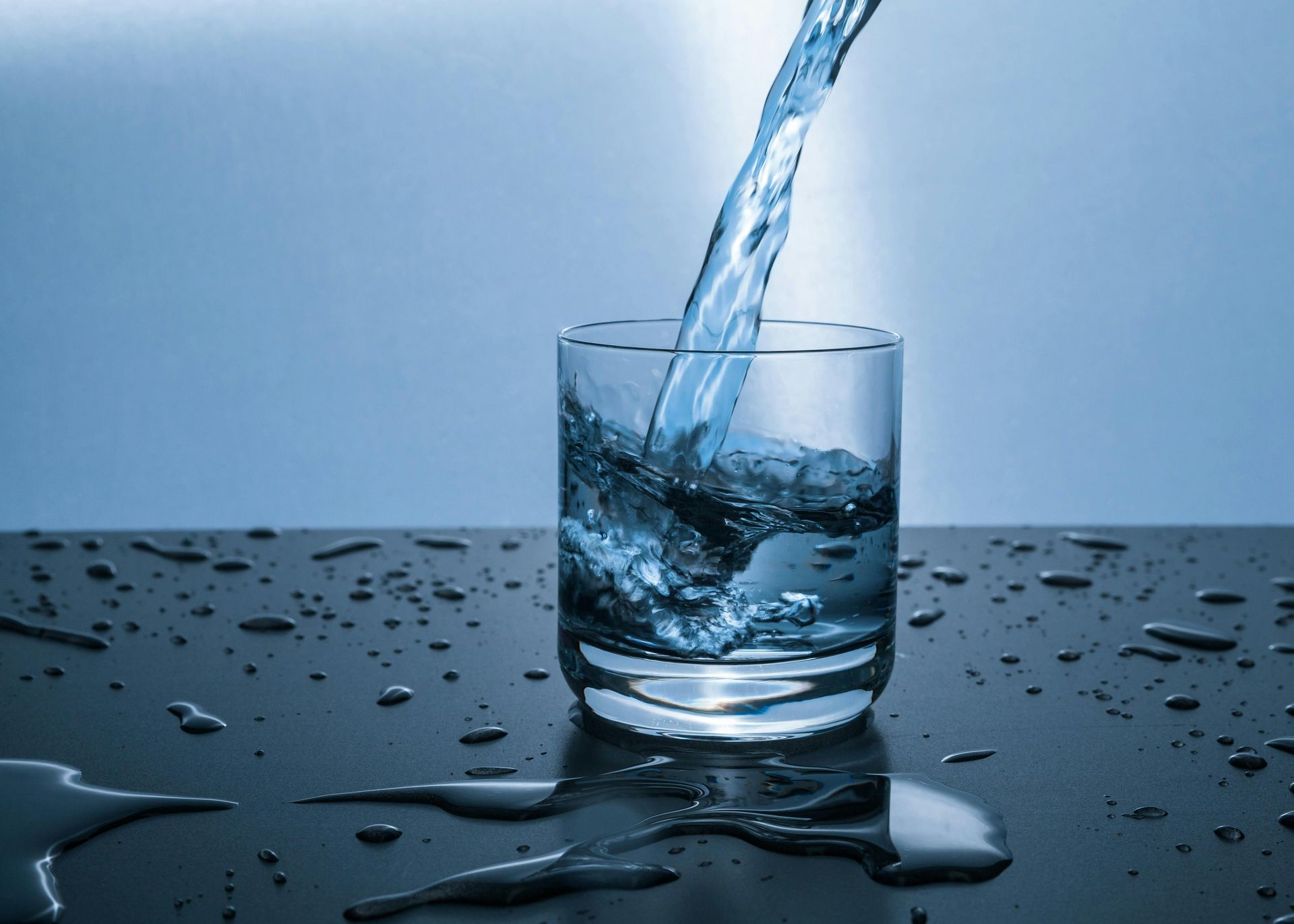
Keeping hydrated is really important, and even small amounts of dehydration can have a significant impact on our immediate health.
Given how much of our body is fluid, it is vital we keep hydrated. 💦
Not having enough fluid on board can make us really irritable and lethargic 🥱 and we have probably all noticed that!
Hydration also impacts concentration, which a vital safety issue in many job roles such as rail safety, working at height and in construction or when driving.
Keeping well hydrated and eating well is the best way to improve concentration, performance and alertness in the long term. 😀
How can you tell if you are drinking enough?
Most people should aim for 6-8 large glasses of water (or equivalent) which is about 1.5 to 2L a day. You will need more if it is very warm or you are working in a particularly hot environment or wearing PPE (personal protective equipment).
An easy way is just check your pee! It should be nice and pale. If it’s dark, you are likely not drinking enough so grab that water bottle and take a glug. There are lots of pee charts available, that can help you check! The British Dietetic Association offer pee charts as part of the Work Ready Programme so why not get in touch with me to find out more.
Water is of course the best fluid for hydration, but other fluids do still count! A small glass of fruit juice can count but stick to just 1 small (150ml) glass in total.
Even tea and coffee counts. Although it is best not to have too any drinks with caffeine though.
If you can, aim for less than 400mg caffeine (no more than 4 regular coffees) then swap to non caffeinated drinks.
It is a good idea to limit drinks containing sugar as we know too much sugar is not good for our teeth and can lead to weight gain.
If you are not so keen on plain water, making sure it is nice and cold. I love using a metal water bottle as I find it keeps my water nice and cold all day!
If you want, you could try adding some slices of fruit to add a bit of extra flavour.
Mint leaves and lime works well or add some different citrus fruits.
You could try some flavoured diluting squash if you prefer something that has more taste.
Whilst fizzy drinks will provide fluid, it is best to limit (even the non sugar ones) as the acids have an effect on teeth.