Ultra Processed Foods

Dalhia Campbell Registered Dietitian

UPFs - how much should we worry?

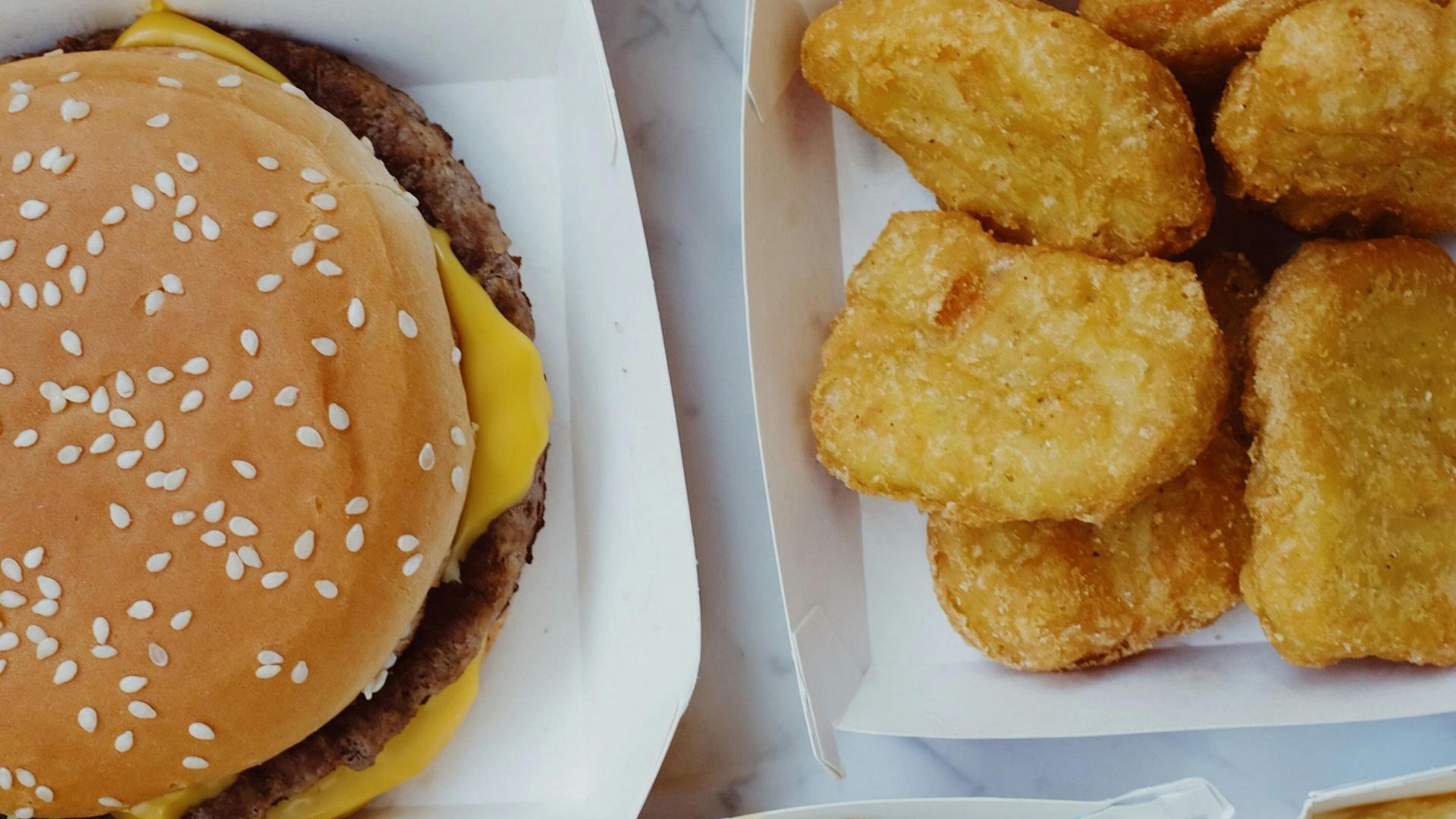
Highly processed takeway cheese burger and chicken nuggets in a takeaway box

UPFs! We hear about them everywhere, so how worried should we be?  It is a question I am asked about more and more, so I thought I would write a short(ish) blog to help offer my measured view as a registered dietitian and employee health expert.


First we need to look at what even if a UPF. There is actually not really an internationally recognised one simple definition.  Most studies refer to the NOVA classification. This ranks foods according to differing levels of processing. The one that is causing most concern is the Ultra Processed Foods category. There are drawbacks around the categorisation as it deals solely with processing and does not take into account the food or nutritional content and as all nutrition professionals know, nutrition is very nuanced.

Essentially it is where the food has undergone significant processing and modification from its original form and contains ingredients not usually found in a home kitchen.


The processing of foods has been around for decades, many foods are processed to a greater or lesser extent. This has benefits in terms of safety (prolonging shelf life and reducing risk of bacteria) and is a helpful addition to make our lives a bit easier (most of us cannot spend all our time in the kitchen!  Processing also helps the stability of products (emulsifiers stop foods like mayonnaise splitting).

For example a fresh tomato is un-processed,  tinned tomatoes are processed but are considered minimally processed whereas tomato ketchup would be ultra processed (though it may depend on the brand and what ingredients are included).

If we think about what foods we eat that are highly processed, many of these foods would include things like shop bought biscuits, cakes, chocolate, savoury snacks and jars of sauces/ready meals. These are what we consider the High Fat High Sugar foods and may also be high in salt.  These are the foods that we should already be trying to eat less of.   From this perspective, I think it is good to try and limit these foods as this is already part of healthy eating advice.


I also think it is great that we step back and think about what we are eating, become more aware of the impact of processing and additives but also to look at it holistically. There is some evidence around the role of some of these foods however it is difficult to determine whether it is the foods themselves or the fact that the highest consumption is liked to poorer health outcomes but also poorer diet quality.  SO, a diet high in UPFs will often be high in fat, sugar and salt and less nutritious.  There is more ongoing work in this area which is great as this is still an emerging area of interest.


As a healthcare professional I have concerns that there is a (particularly on social media among those who do not have nutrition or dietetics degrees) a growing demonisation of ALL foods that are considered UPFS and this leads to a lot of stigma and guilt.  It is very difficult to avoid all UPFs and those who berate others for consuming UPFs are not being particularly helpful. Mostpeople cannot afford to buy a lovely wholegrain sour dough artisan loaf or take the time to bake one. Most people have busy lives and may have a family to feed or have limited budget, limited time and access to foods.  Health conditions and other demands can further impact, I work with many shift workers and those working on sites with limited facilities and I am very well aware of the challenges they face.


I find it useful to look at UPF in the context of foods and their nutritional profile not just the UPFs. Some of the foods that have recently been highlighted include wholemeal, bread, baked beans, fish fingers and yogurts.

These have some great nutritional benefits. For example wholemeal, and particularly wholemeal seeded bread contains an excellent source of fibre. Some breads will be less processed than others and if you are priviliged to be able to spend the time baking your own, then please go right ahead but please do not feel guilty if you can't (or maybe your children won't eat what you have spent hours baking).


My take home top tips:

😊Where possible cook meals from scratch

😊Have less of the high fat high sugar foods (both UPFs and unprocessed)

😊Consider the overall quality of the diet (does it include plenty of fruit and vegetables for example)

😊Including some UPFs is OK


By LN012862 January 28, 2026
Investing in our health NOW
By Dalhia Campbell September 9, 2025
Do you #knowyournumbers ?
By Dalhia August 20, 2025
Keeping hydrated at work improves how we feel & how well we work!
By Dalhia Campbell March 10, 2025
Expertise of a dietitian to support employee health programmes
By LN012862 October 24, 2023
Managing cholesterol
By D Campbell January 10, 2023
Positive messages around food
By D Campbell January 27, 2022
New Year - Positive Health
By D Campbell December 12, 2021
Seasonal eating
By Dalhia Campbell May 24, 2021
In general, we consume around a third of our daily calories at work. We all know that what we eat and drink has an effect on our health both long term and short term. It also has a significant effect on our performance at work. If you are feeling sluggish and can't concentrate at work, take at look at what you are eating and drinking. As well as getting some fresh air and exercise, what we eat and drink during the working day is really important. A healthy intake at work can boost activity, improve concentration and can improve how we deal with stress in the workplace. Remember to keep fluids up too as dehydration can lead to dizziness, poor concentration, headaches and fatigue. Many companies are recognising the importance of good nutrition (and activity) for their employees in the knowledge that it is a win-win! As an employee, you feel supported and valued and as an employer, staff sickness can be reduced and productivity improved. • Make time for breakfast before you start working • Plan to have some fruit with your tea break instead of a few biscuits • Make vegetable-packed soups for your lunch • Include veggie sticks and cherry tomatoes at lunch time • Choose wholegrain breads, pitta or crackers for a packed lunch • Encourage your staff canteen to offer healthier choices and apply for the Healthy Living Award • Make a plan to keep a water bottle on your desk at all times Food and Nutrition Central can provide Healthy Eating webinar sessions via your preferred platform.
By Dalhia Campbell May 24, 2021
Especially at new year, there is a plethora of new diet plans, cook books and fitness DVDs. The majority of these are written by (at least in part) well known personalities, some have the help of a nutrition "expert". Some are written in conjunction with registered dietitians or registered nutritionists and others merely give the writers own opinions on nutrition. Whilst the title dietitian is a protected title (you must be registered and hold a recognised degree, sadly the term "nutritionist" is not, so anyone can use the term even if they do not have a recognised nutrition qualification. The recipes may be great however, sometimes the nutrition information is not based on any scientific evidence. Spend your £££ wisely, there really is no quick fix and positive lifestyle changes are better than a short time weight loss gimmick. Many of the books are cook books with beautiful recipes. They can be great to kick start you to thinking about some new ways to eat more healthily, often the recipes are a great way to get in more veg so go a long way to getting your 5 a day. Here are my suggestions when looking at new diet books : • Opt for tips based around a more healthy lifestyle that you can maintain rather than any fads or short lived eating trends. • Look for simple recipes, you don't want to be shelling out £££ on expensive "trendy" foods that you only use once. • Steer clear of any suggestions to cut out certain food groups (there is no need and this can lead you to becoming deficient in some nutrients). • Check the credentials of whoever has written or been involved in the book. As a dietitian, I frequently spot inaccurate unsupported claims in books and magazines on the subject of nutrition. Think about your portion size. Plates have got get bigger and so have our portions. If you are trying to lose some weight, b e realistic, and aim to lose weight slowly. • Incorporate exercise that you enjoy • Enjoy your food. Be mindful of what you are eating and don't beat yourself up for the occasional treat. • It can be really helpful to keep tabs on what you eat as well as activity. Studies show people who have lost weight, and kept it off kept food and activity diaries. • Include wholegrain carbohydrates which help you feel full and provide important fibre. • Include fruit and vegetables at each meal and make sure you get your 5 a day • Make sure that your eating plan is well balanced. See my blog on The 5 food groups and Eatwell Guide • Limit alcohol - it contains more calories per gram than sugar and can weaken resolve to avoid less healthy snacking. • Remember, if it sounds too good to be true then it probably is!! For FREE advice on a healthy diet, a great source of information written by dietitians is is the British Dietetic Association Food Fact Sheets •